![Brent Cobb - Shine On Rainy Day [Vinyl +CD]](https://www.vinylvian.com/wp-content/uploads/2026/09/18/1789721821/brent-cobb-shine-on-rainy-day-vinyl-cd.webp)
$22.39
$27.99
50% OFF! Hot items selling fast—Grab them before they're gone!
 Unconditional Satisfaction GuaranteeNo Shipping Fees Above 302 Months to Decide. Returns Simplified.
Tracklist:
01. “Mi Amor Fugaz”
02. “Soy Campesino”
03. “Maracaibo Oriental”
04. “Prefer Perderte”
05. “Camarera Del Amor”
06. “Que Me Hace Dao”
07. “Conoc La Paz”
08. “Bonito Y Sabroso”
09. “Oh, Vida”
10. “Pongan Atenci?n”
11. “Fiebre De Ti”
12. “Como Arrullo De Palmas”
13. “No Puedo Callar”
14. “De La Rumba Al Cha, Cha, Ch”
15. “Qu? Bueno Baila Usted”
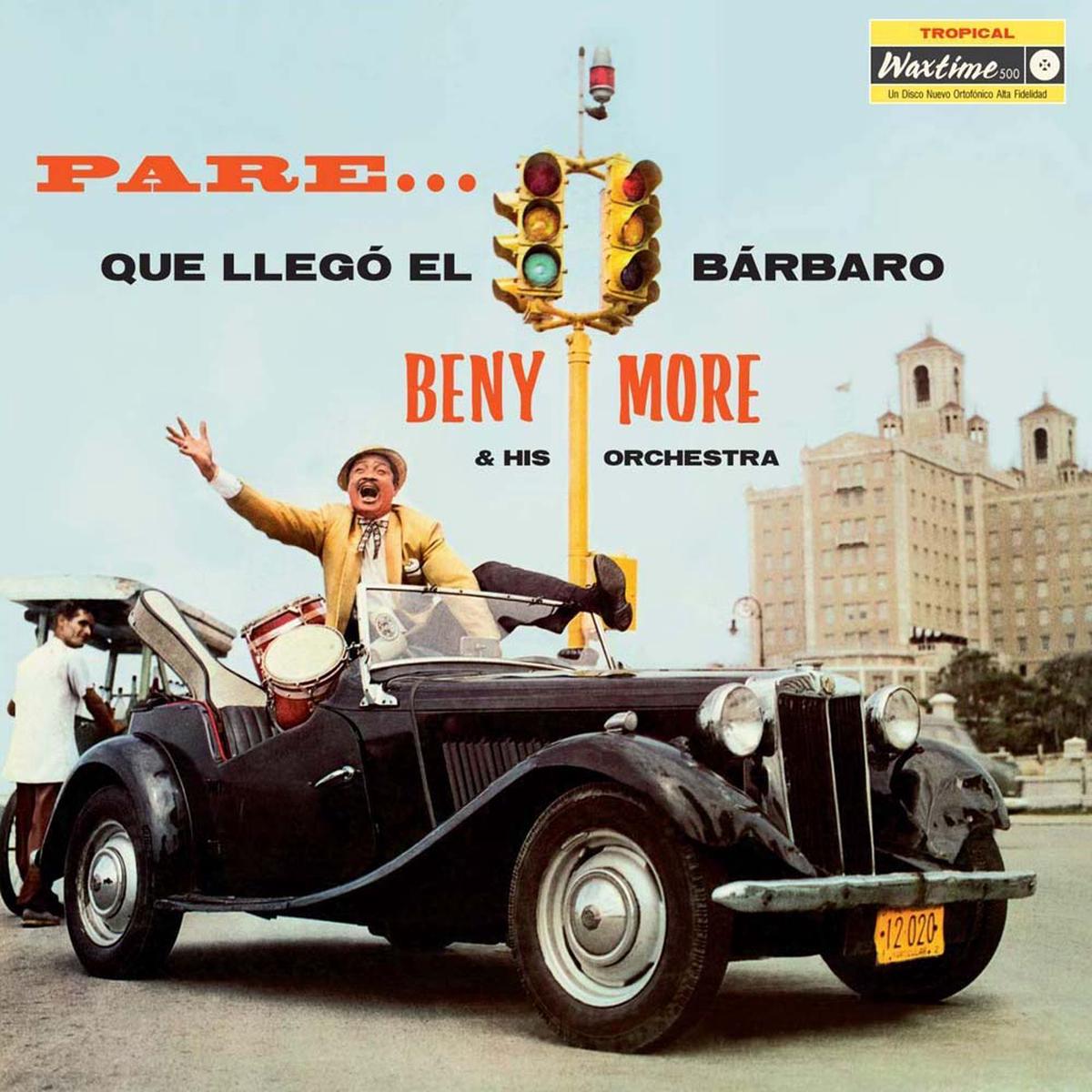
WAXTIME500 (TROPICAL WAXTIME) LIMITED EDITION 180gram VINYL – ONLY 500 COPIES PRESSED. Beny Mor (1919 – 1963) is considered by many fans of Cuban music as the greatest Cuban singer of all time. He was gifted with an innate musicality and fluid tenor voice which he coloured and phrased with great self-expression. Mor was a master of all the genres of Cuban music, including son montuno, mambo, guaracha, guajira, cha-cha-cha, afro, cancin, guaguanc, and bolero. The eldest of eighteen children, Mor was born in Santa Isabel de las Lajas in central Cuba and had his first breakthrough success at the age of seventeen by winning a talent radio competition in Havana, which led to him joining Tro Matamoros (later known as Conjunto Matamoros). In 1945 Mor went with Conjunto Matamoros to Mexico, where they performed in two of the most famous cabarets of the age, the Montparnasse and the Ro Rosa. Conjunto Matamoros eventually returned to Havana, while Mor remained in Mexico, where he made several recordings for RCA Victor, together with the orchestras of Mariano Mercern and Prez Prado. At the end of 1950, Mor returned to Cuba and although an acknowledged star in Mexico, Panama, Colombia, Brazil and Puerto Rico, he was virtually unknown on the island of his birth. Following the release of his first Cuban hit though (“Bonito y Sabroso”), fame quickly followed, leading him to him form his own orchestra, Banda Gigante. The orchestra toured extensively throughout Latin America, the Caribbean, and the USA where it was engaged as the resident orchestra at several Oscar ceremonies. BENY MOR & HIS ORCHESTRA Recorded in La Havana, Cuba, 1958. Originally issued as Pare que lleg el brbaro (Discuba LPD-501).
![Leprosy [Pink White Blue Vinyl]](https://www.vinylvian.com/wp-content/uploads/2026/09/18/1789721821/leprosy-pink-white-blue-vinyl.webp)